The Istanbul issue
The Fishermen Who Still Land Istanbul's Catch at Dawn
Before the tour buses start moving, Kumkapı's boats are already unloading the day's fish onto wet cobblestones, and this is the honest way to follow that catch across the city.

By Thijs MolenaarIstanbul on foot, hill by hill
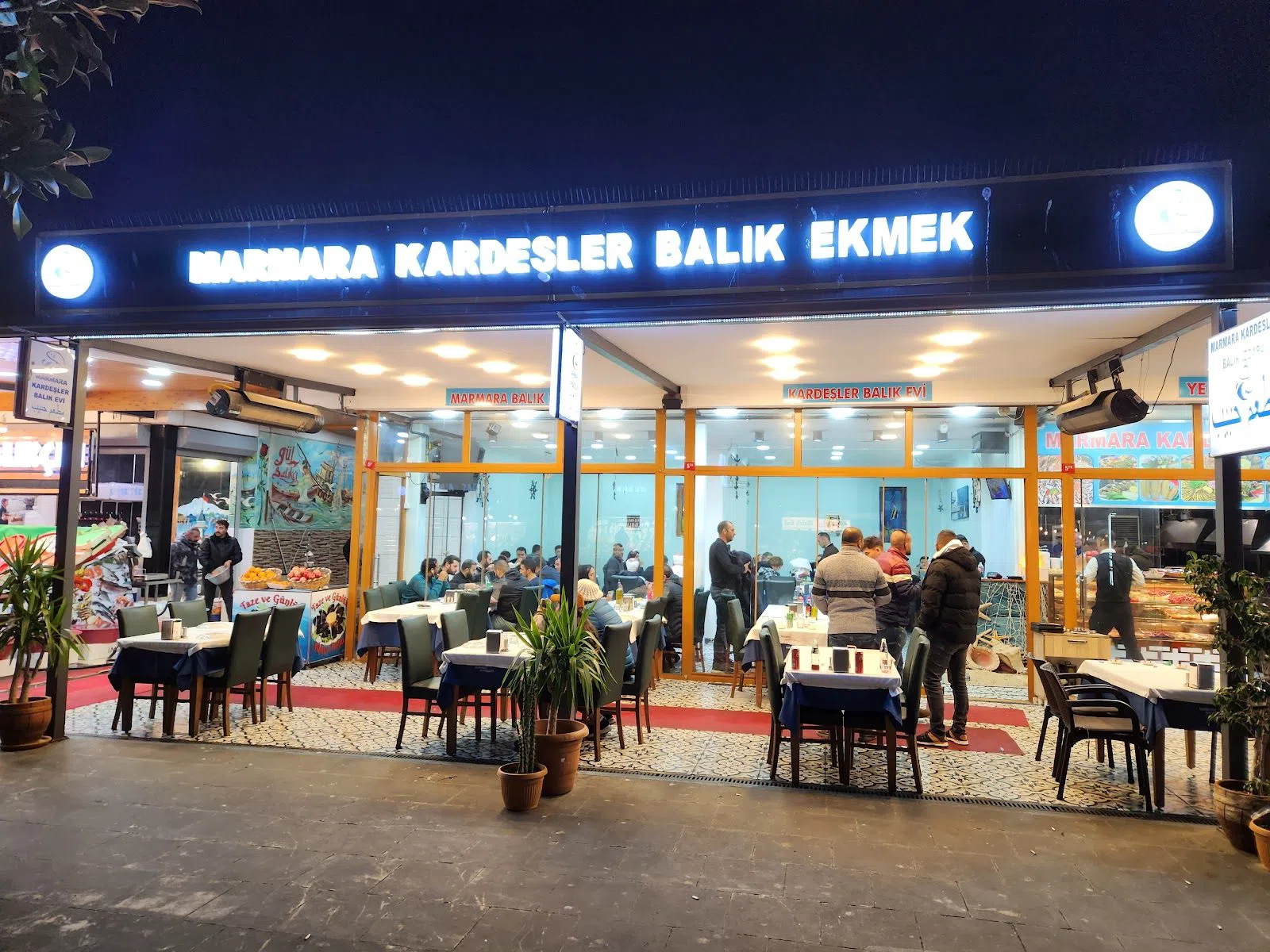
By six in the morning, Kumkapı smells of brine and diesel before it smells of anything else. Crates thud onto wet cobblestones, gulls circle low over the harbor wall, and men who haven't slept much argue cheerfully over the price of turbot in a dialect the guidebooks don't teach. The city's big wholesale fish auction left this harbor years ago, but the boats never got the memo. They still come in low and heavy every dawn, and what's left is more honest for it.
Before sunrise at Kumkapı's fish market
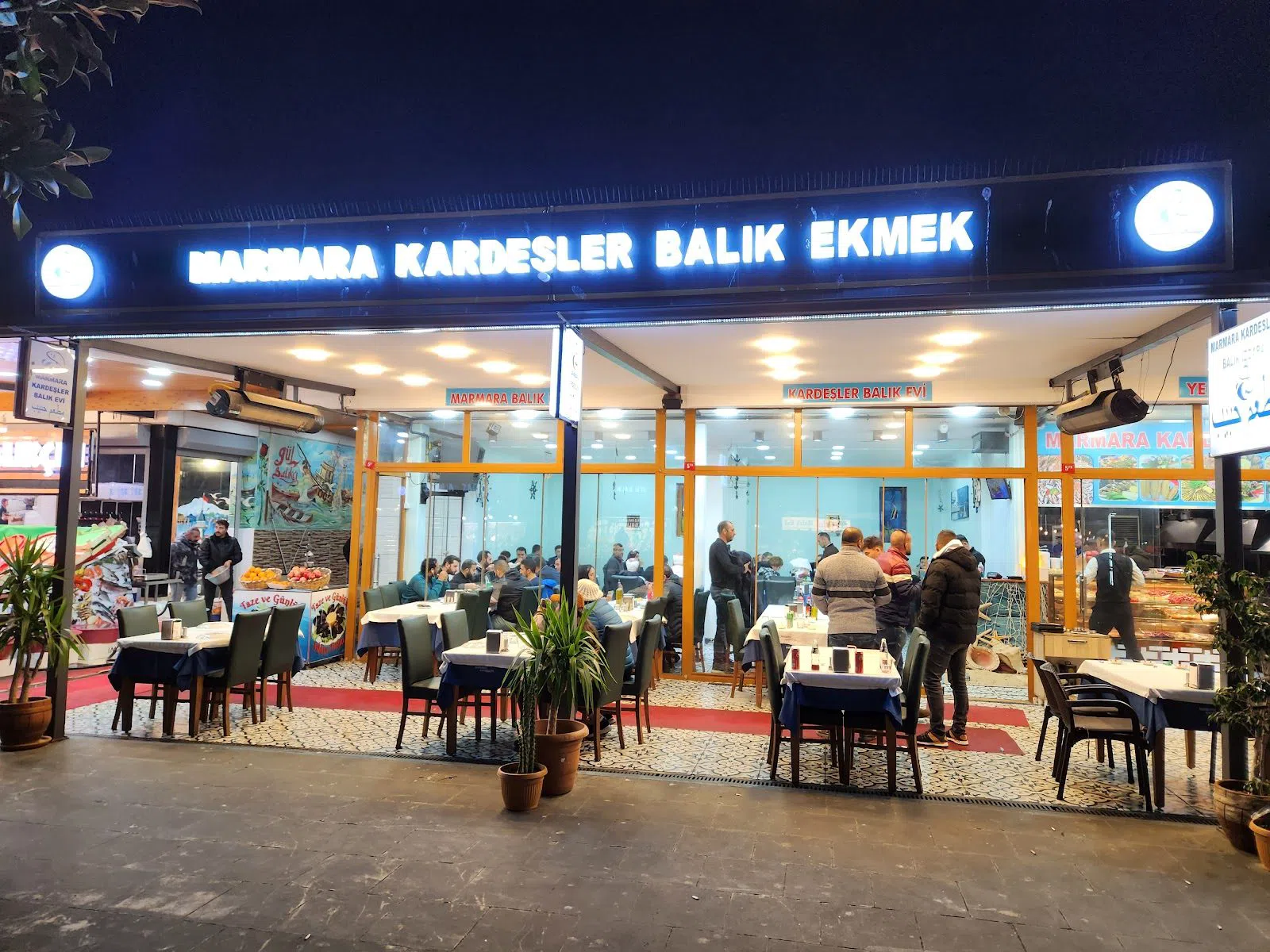
The Kumkapı Fishermen's Market (Kumkapı Balıkçılar Çarşısı), right on the Marmara shoreline south of the old city walls, is where this piece has to start, because it's the only place left where you can watch the actual handoff (boat to crate to stall) rather than a re-enactment of it. For decades this was the site of Istanbul's wholesale mezat auction, the shouted, hand-signaled bidding war that set the fish price for half the city. That auction moved to a purpose-built hall in Gürpınar in 2015, and nothing here replaced its scale. What survived is smaller and, if anything, more useful to a visitor: boats still land their catch on these docks every morning, crates still get sorted and iced on the spot, and the market stalls behind the harbor sell straight off that morning's boats at a price per kilo you can watch get weighed in front of you. There's no ticket, no tour desk, no booking. You walk in, and a market this size absorbs a tour group passing through without anyone noticing. Go before 7am if you want to see boats actually working the dock; by mid-morning it's a market like any other, still worth a look but with the ritual already finished.
Getting there is straightforward: Kumkapı has its own Marmaray suburban rail stop, one stop from Sirkeci, and the harbor is a five-minute walk downhill from the station. If you're coming from Sultanahmet, it's a flat 15-minute walk south past the old city walls, worth doing on foot once if only to watch the neighborhood change from tourist-map Istanbul into something scruffier and more lived-in.
Plan your Istanbul trip
Live prices from our booking partners.
Free cancellation on many rooms. We may earn a commission when you book.
Sitting down to what the boats brought in
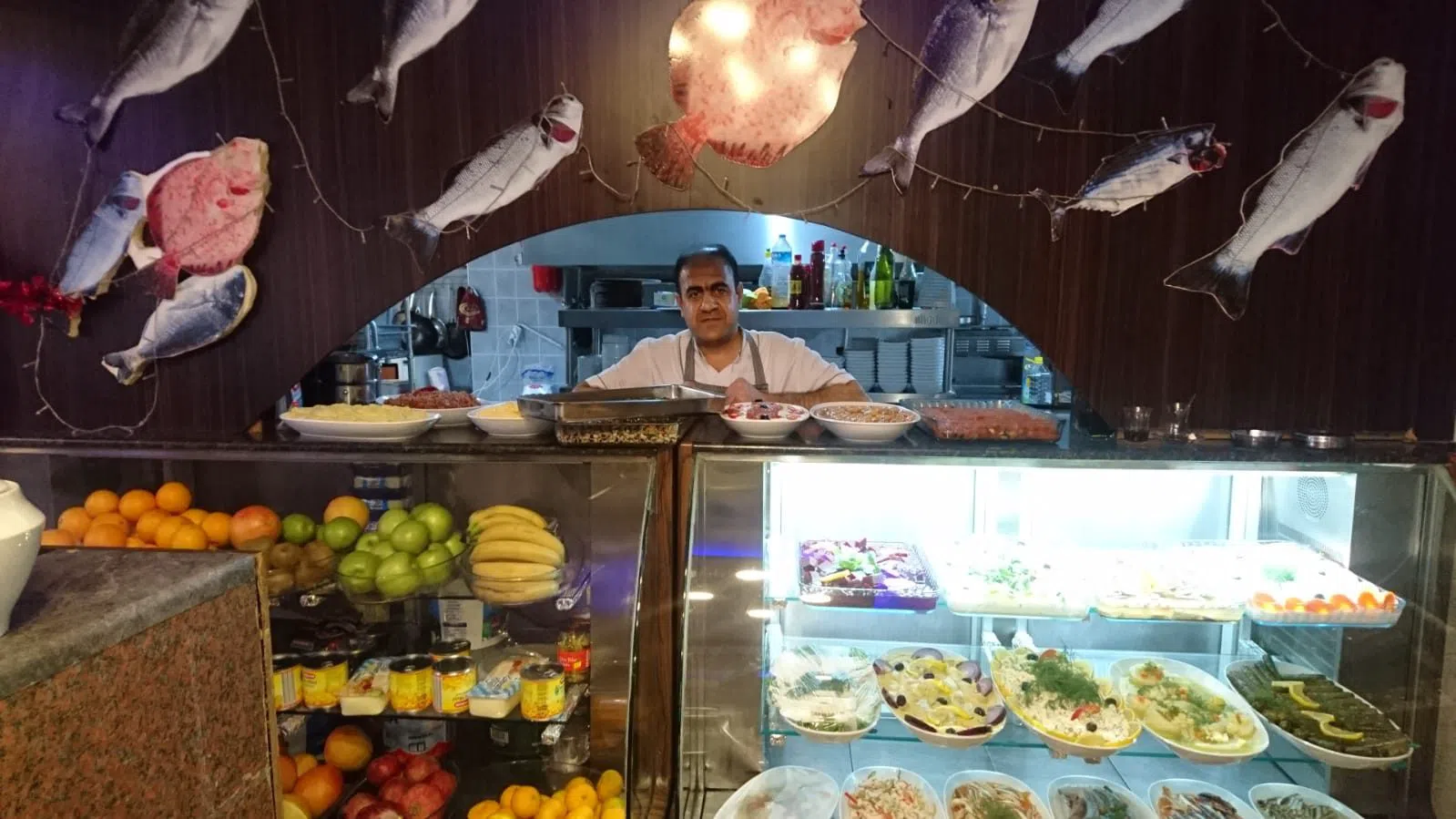
Kumkapı's meyhane row (the strip of fish taverns fanning out from the market square) has a mixed reputation among people who actually live in Istanbul, and it's worth being straight about why: several of these places built their name on tourist volume and now price accordingly. Three, though, are worth knowing which is which.
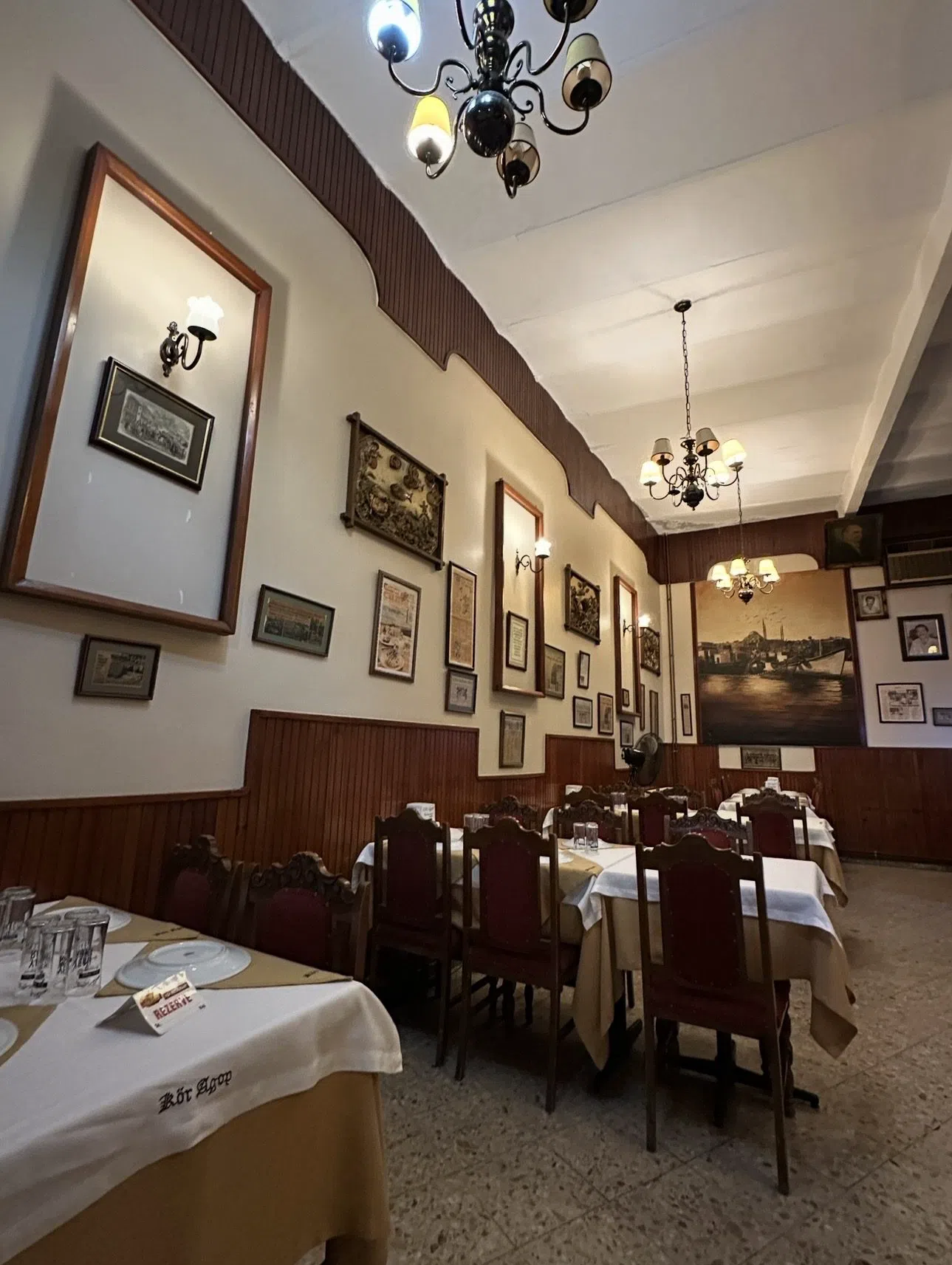
Kör Agop, on the market square itself, is the genuine article behind Kumkapı's touristy reputation. The story locals tell is that the founder, blind from birth, couldn't catch enough fish himself to cover his own bar tab (hence the nickname, "Blind Agop") and built the place instead. It runs the classic meyhane format: a slow procession of cold and hot meze, then whatever's freshest that day, with rakı poured steadily throughout. It takes groups comfortably and is genuinely built for them, but tables over six need a reservation ahead. Call 0533 611 86 33. Budget mid-to-high, roughly ₺1500-2500 per person once the rakı starts flowing; this isn't a place to order carefully and still land under that.
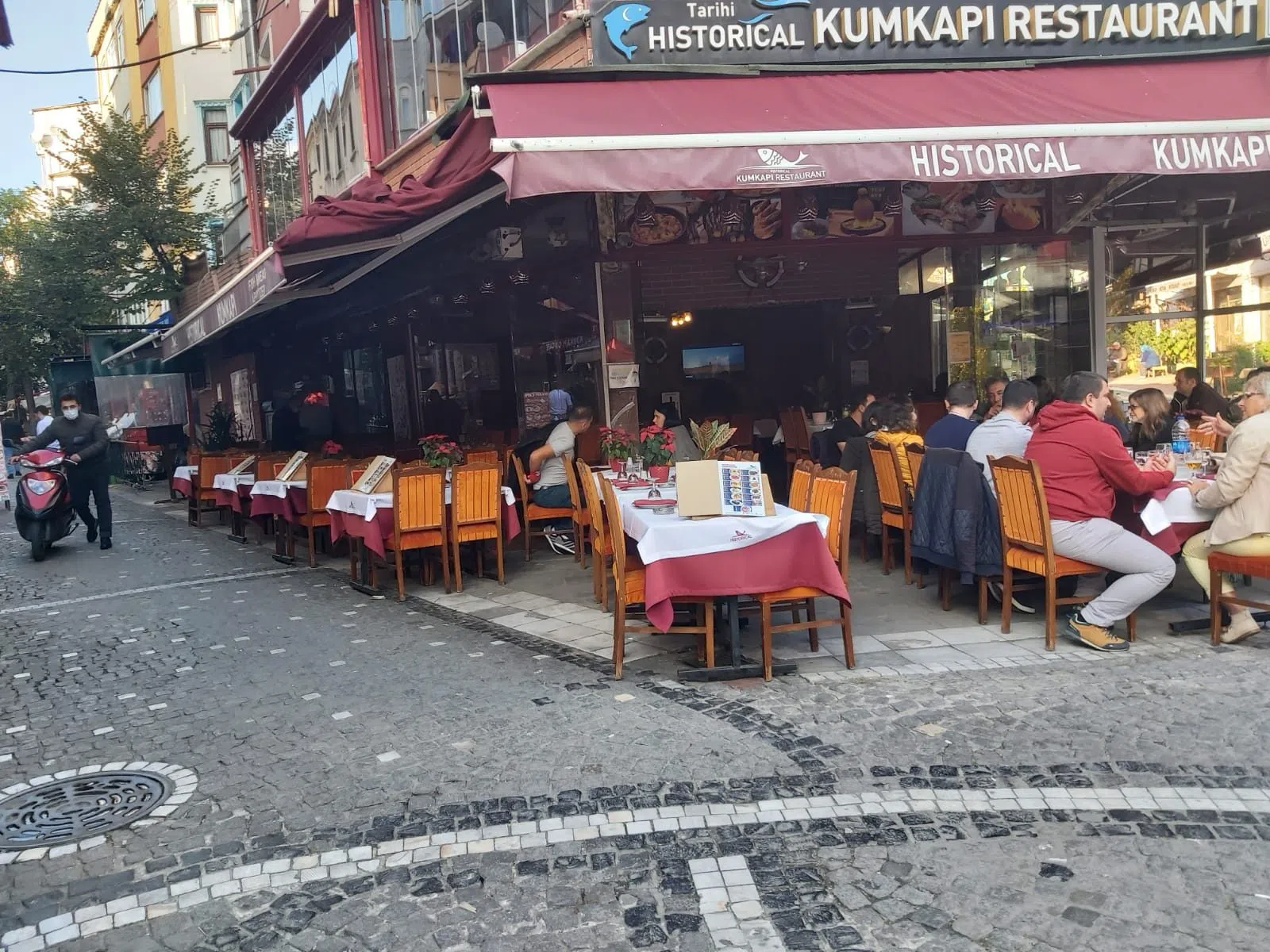
Historical Kumkapı Restaurant, a few doors along, is the decades-old anchor of the strip, the kind of place that's been serving the same square since before most of its neighbors existed, and one locals now steer around for overpricing even as it keeps pulling in solid reviews into 2026. It leans into large groups and live-music nights, which makes it a reasonable pick if you want the full meyhane theater (musicians working tables, a room that gets loud) rather than a quiet dinner. Reservations are recommended, particularly on music nights. Pricing sits at mid, more reasonable than its two neighbors, but portion and quality here reward going in with modest expectations rather than high ones.
If the row itself has put you off, Ahırkapı Balıkçısı, a short walk east toward the Sultanahmet coastline, is the corrective: a locals' pick just outside Kumkapı proper, popular with regulars rather than tour groups, and priced by the kilo rather than a fixed meze menu, so it rewards asking what's actually fresh before you order. It takes groups and reservations are advised on weekend evenings. Mid pricing, but weigh your fish carefully before it's cooked; asking the price per kilo up front avoids the one classic complaint about kilo-priced seafood anywhere in the world.
Two other markets worth building a morning around
Kumkapı isn't the only working fish market in the city, and pairing it with one or two others turns a single stop into a proper morning.
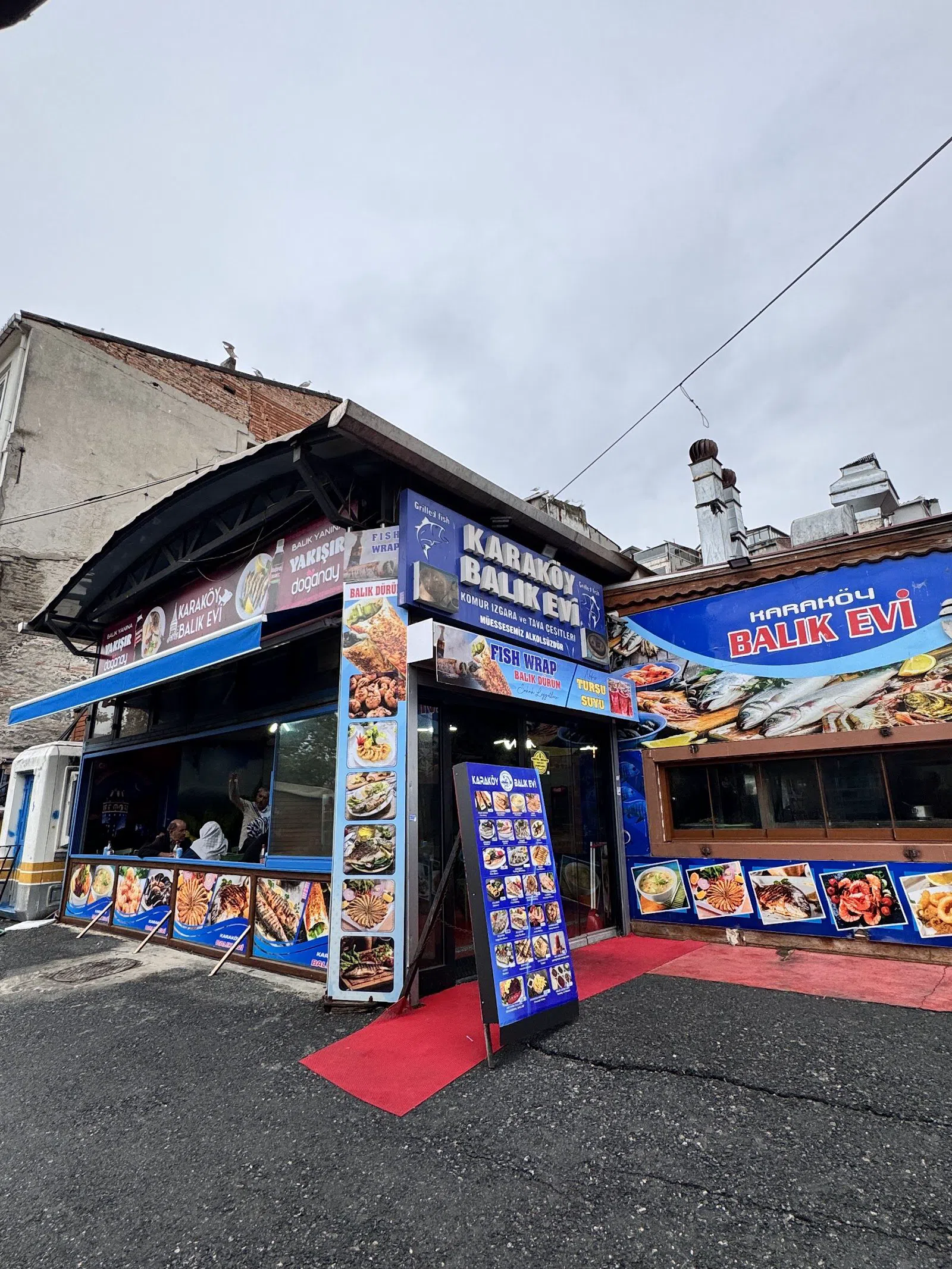
Karaköy Fish Market (Karaköy Balık Pazarı), across the Golden Horn near the Galata Bridge, was purpose-built in 2015 to replace the informal shoreline stalls that used to crowd the waterfront here, a tidier, more modern cousin to Kumkapı's rawer scene. It's a casual walk-through with no booking needed, easy for any group size, and the fish sandwich stalls here run a few hundred lira, cheap enough to treat as a snack rather than a meal. It pairs naturally with the next stop, because it's a two-minute walk from it.
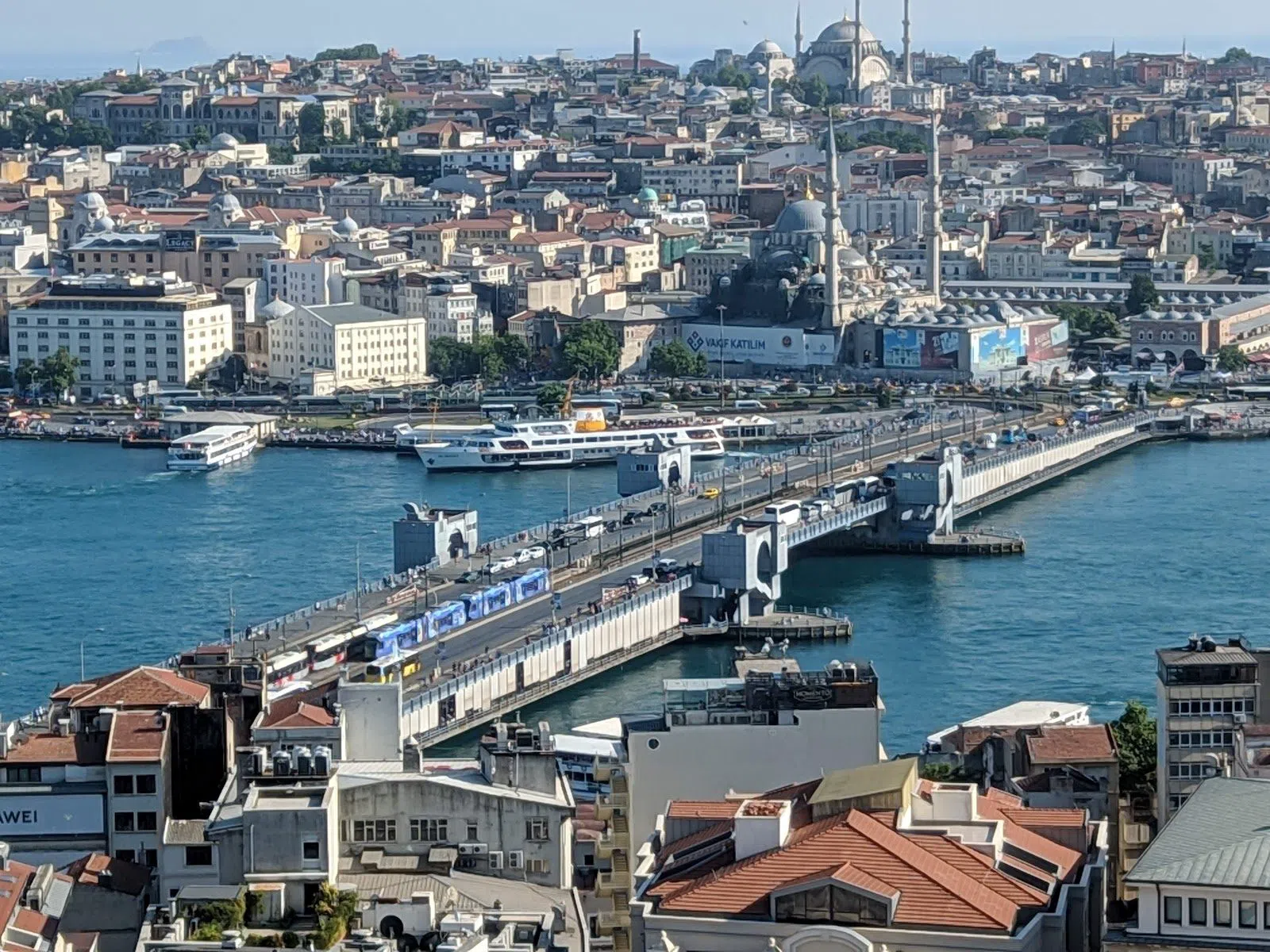
The Galata Bridge fishermen are the single most photographed maritime image in the city, and for good reason: the lower and upper decks of the bridge are lined, rain or shine, with amateur anglers dropping lines into the Golden Horn, completely free to watch, no booking, no limit on how many people can stand and look. This isn't a commercial operation (nobody's catch here is going to a restaurant), but as a free, unhurried bookend to the Kumkapı story, it's hard to beat: professional fishermen working a harbor at one end of your morning, hobbyists working a bridge rail at the other.
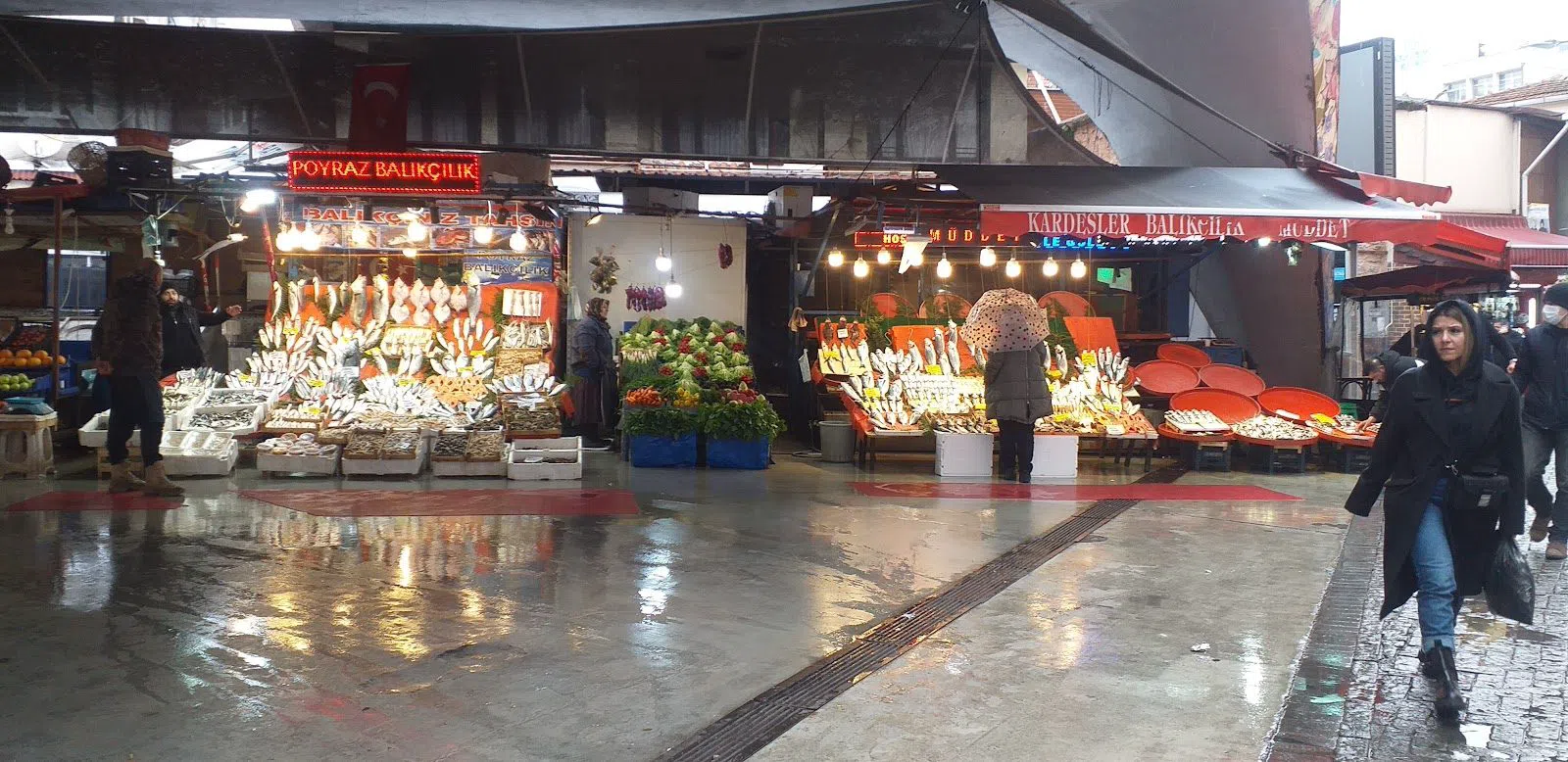
Further north, the Beşiktaş Fish Bazaar (Beşiktaş Balık Pazarı) is livelier and more central than Kumkapı, which makes it the better fallback if you've missed the early-morning window elsewhere: the stalls here keep a steady trade well past 9am. It's casual, free to browse, no booking, and slots easily into a guided walk that also takes in the Beşiktaş ferry terminal and waterfront.
Following the fish up the Bosphorus
If the Kumkapı story is about a ritual that's shrunk to neighborhood scale, the villages further up the Bosphorus are where you find the ritual still running at something closer to full size.
Sarıyer fishing harbor, near the strait's northern end on the European side, is still a real fishing economy: over a quarter of the neighborhood works the trade, not a tourist statistic but a working fact you can see in the boats stacked three-deep along the quay. The restaurants lining the harbor take groups and pricing varies by house, so it rewards checking a menu before sitting rather than picking the first table you see. It's best treated as a harbor-side lunch stop rather than a dawn excursion. The working rhythm here runs all day, not just at first light.
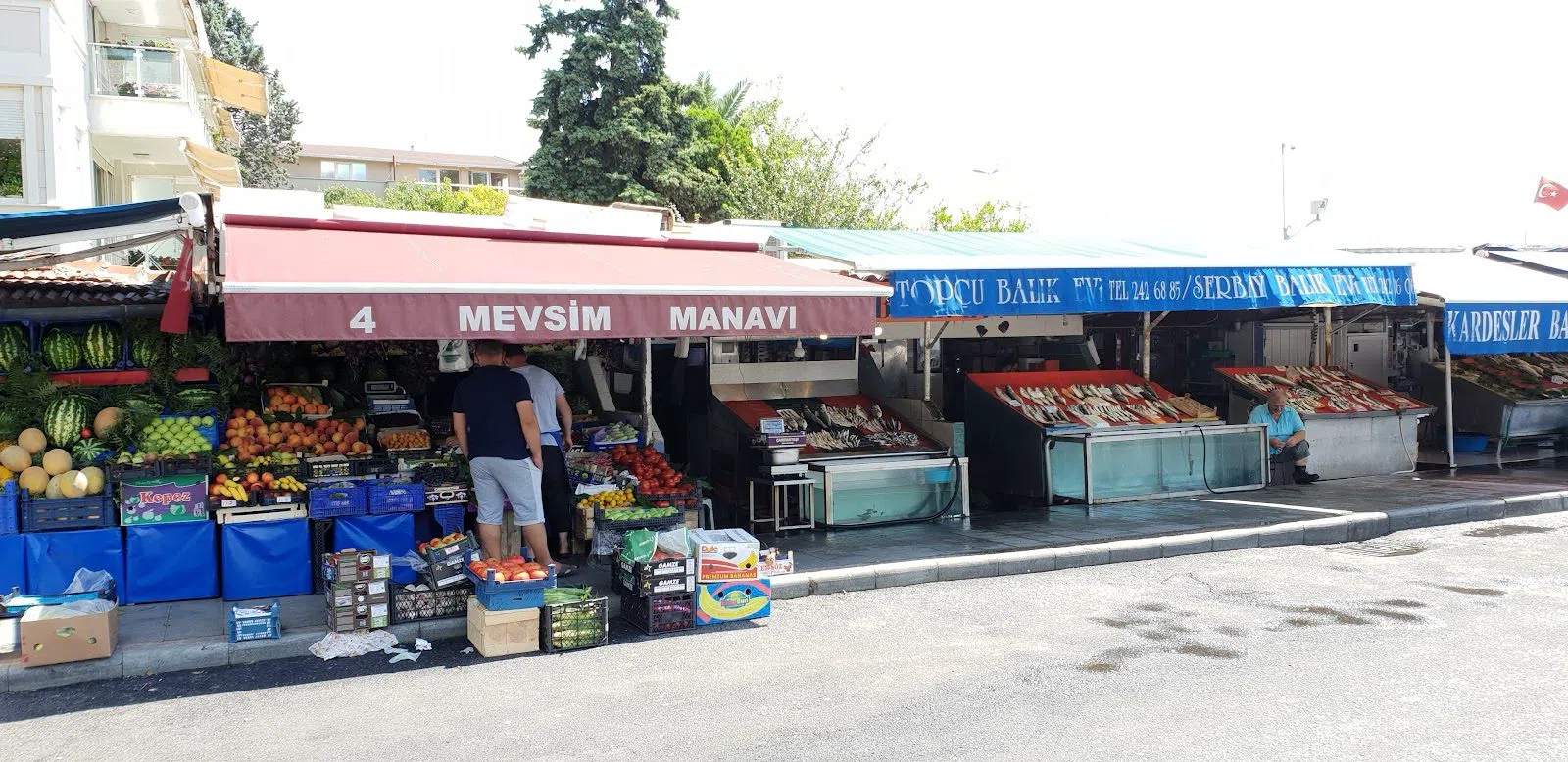
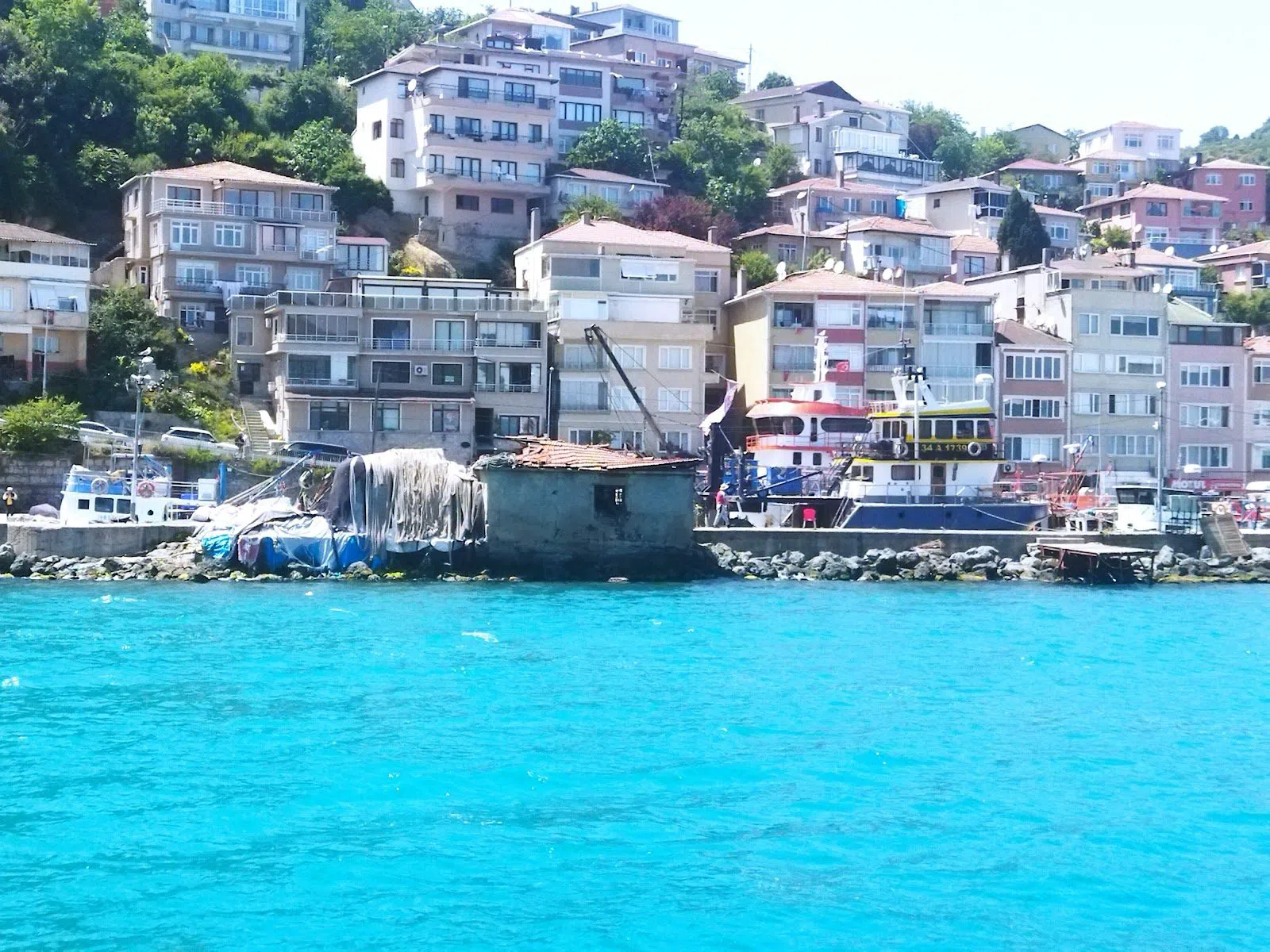
Across the water and a little further north, Rumeli Kavağı is the most unvarnished working-fishing village left on the Bosphorus, and it's telling that tour buses almost entirely skip it: there's no polished waterfront promenade here, just working boats and a handful of restaurants that take groups at budget-to-mid prices. If the rest of this itinerary has felt curated, this is the stop that hasn't been.
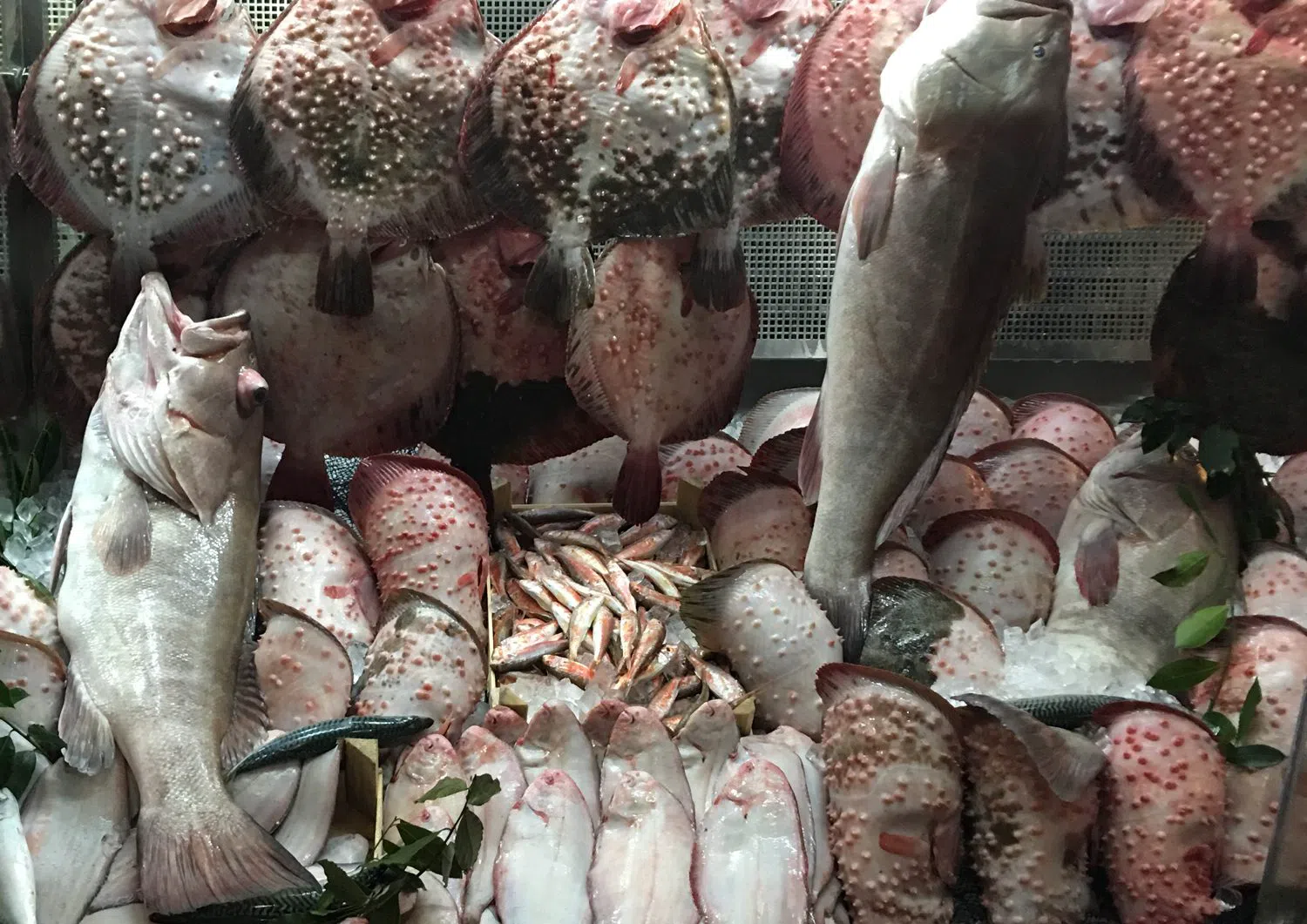
The reason to make the detour to this stretch of coast at all is Balıkçı Kahraman, a Michelin-listed seafood restaurant in Rumeli Kavağı that's genuinely worth the trip on its own terms: family-friendly, takes groups, and books up on weekends, so call ahead. It's priced at the high end (₺₺₺₺), and it's the one stop on this list that justifies itself purely on food quality rather than atmosphere or ritual, which for a Michelin-guide audience is exactly the point.
At the very mouth of the Black Sea, Anadolu Kavağı is the classic endpoint of the public Bosphorus ferry cruise from Eminönü, and it's built entirely around that day-trip crowd: budget seafood restaurants that take groups without blinking, geared for turnover rather than romance. It's the easiest of the Bosphorus villages to reach without arranging your own transport, since the ferry does the work, and it pairs the Kumkapı auction story with the full Bosphorus-cruise day most visitors already have on their list.
A neighborhood table on the Asian shore
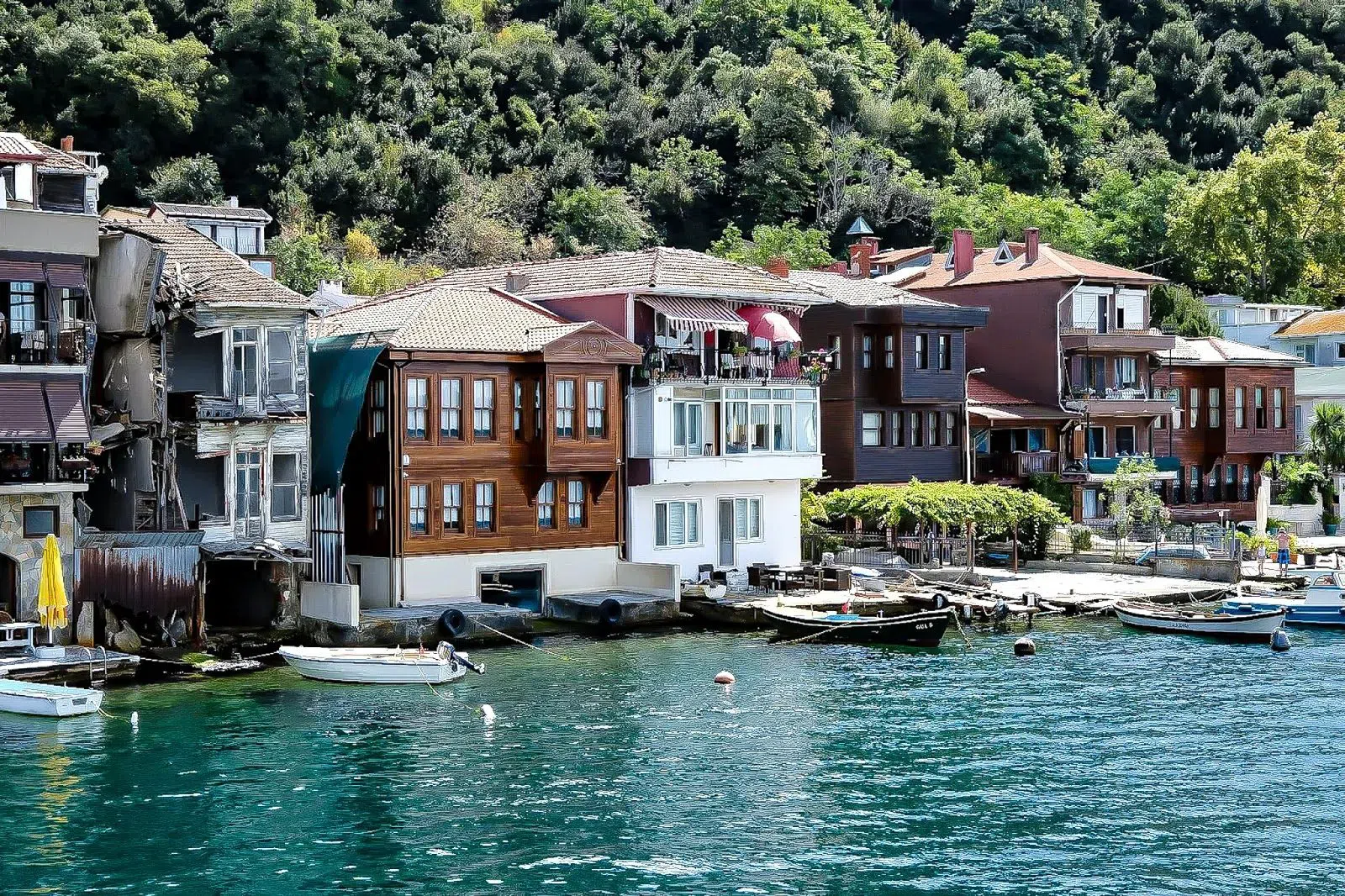
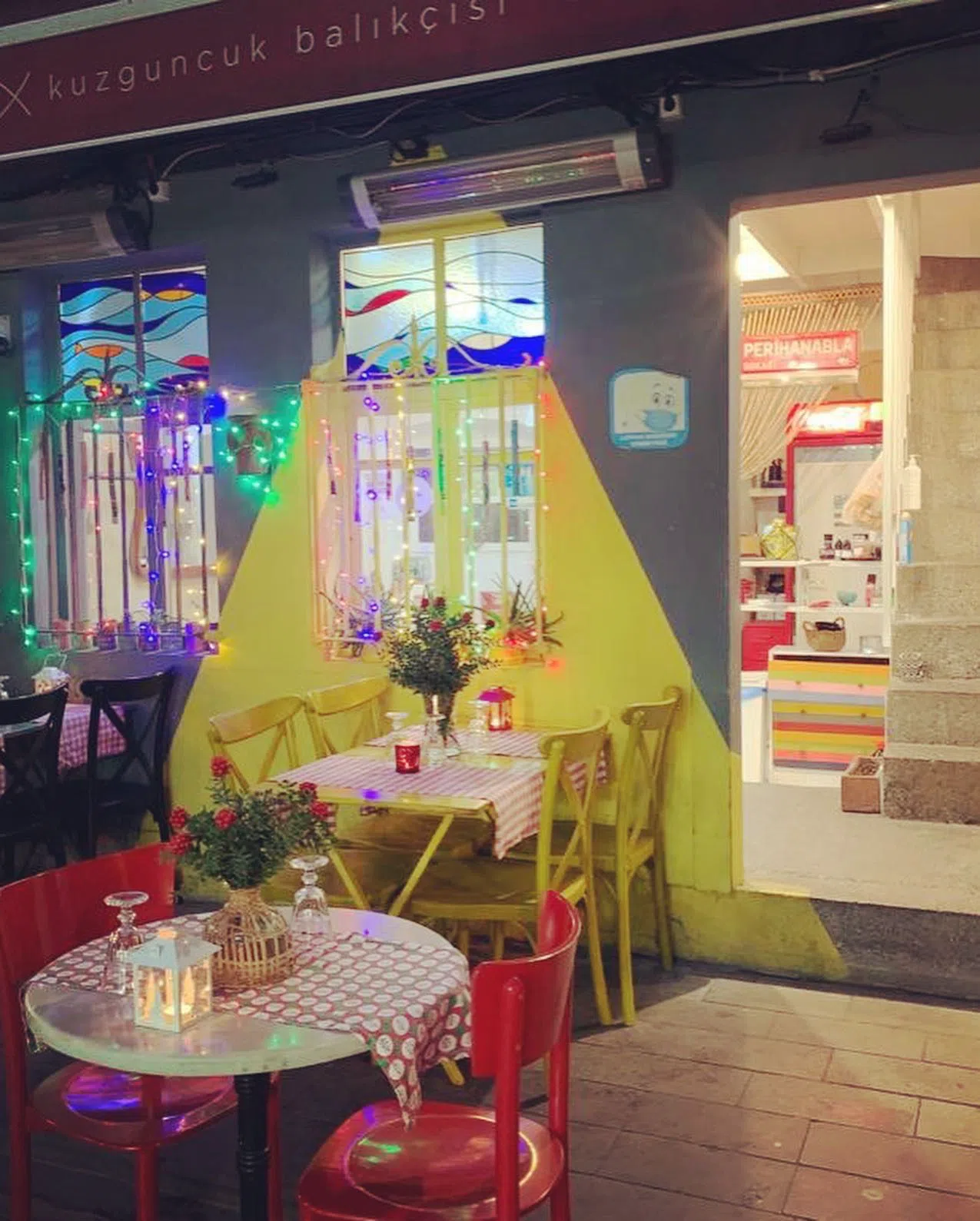
Across the strait on the Asian side, tucked into the quiet lanes of Kuzguncuk, Kuzguncuk Balıkçısı is a smaller, values-forward companion to everything above: it sticks to seasonal, sustainable catch only, which means the menu changes with what's actually in season rather than what looks good printed on a laminated card. It suits small groups and couples equally well, stays casual, and takes reservations by phone (0216 341 0144). Budget-to-mid pricing. Kuzguncuk itself is one of the prettiest, least-visited old neighborhoods on the Bosphorus, and this restaurant is a good excuse to spend an afternoon in it rather than rushing through.
Fishing the strait instead of just watching it
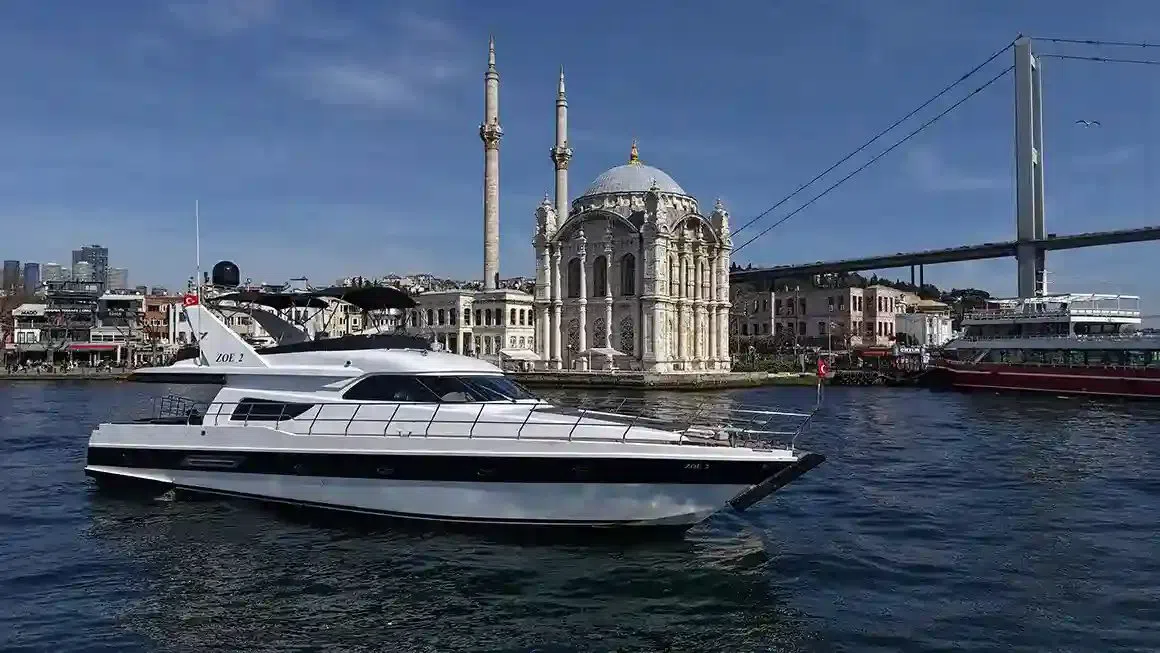
For a reader who wants to do more than watch other people work, Zoe Yacht — Bosphorus Fishing Charter offers a private whole-boat charter for up to 12 guests, which is the closest a visitor gets to actually fishing the strait rather than photographing the people who do it for a living. It's priced at the high end (a whole-boat rate in euros, running into the hundreds) and works best as a half-day or full-day booking for a group splitting the cost, rather than a solo splurge. Book well ahead in peak season, since boat availability is the real constraint here, not demand.
Getting the timing and the cash right
The entire point of this itinerary is timing. Kumkapı's harbor is a genuine working dock only between roughly 5:30am and 7:30am. After that it's a pleasant but ordinary market. If you only have one early morning in Istanbul, spend it here, then use Karaköy and Beşiktaş as later-morning fallbacks on other days.
Most of these stops don't require booking: the markets and the Galata Bridge are free, walk-in, and absorb any group size. The restaurants split into two clear categories: Kör Agop, Historical Kumkapı Restaurant, Balıkçı Kahraman, and Ahırkapı Balıkçısı all want a phone call ahead for groups or weekends; the Bosphorus village restaurants in Rumeli Kavağı and Anadolu Kavağı are generally walk-in friendly given their day-trip crowds.
Carry cash. Market stalls and some of the smaller village restaurants either don't take cards or add a surcharge if you use one, and haggling over a kilo price is easier with notes in hand than a phone held out. Budget-wise, a market breakfast or fish sandwich runs a few hundred lira; a full meyhane dinner with rakı at Kör Agop or Historical Kumkapı Restaurant runs ₺1500-2500 per person; Balıkçı Kahraman and the Zoe Yacht charter are the two genuine splurges on this list.
For getting between stops, Marmaray and the T1 tram cover the old city and Karaköy side efficiently; the Bosphorus villages are best reached by the public ferry from Eminönü rather than a taxi, both for cost and because the ferry ride itself is part of the point. If you're building a longer stay around this itinerary, the Istanbul guide covers the rest of the city, and the Istanbul hotel search is the place to start if you want to base yourself near the old city so Kumkapı's dawn market is a walk rather than a commute.
Before you go
Is the Kumkapı fish auction still happening?
No. The wholesale mezat auction relocated to a dedicated hall in Gürpınar back in 2015. What remains at Kumkapı is smaller but still real: boats land their catch on the harbor every morning and hand it straight to the market stalls, just without the old shouted bidding war.
What time should I get to Kumkapı to see the boats working?
Aim for 5:30am to 7:30am. That's the window when boats are actually landing and unloading crates onto the dock. After 7:30am it settles into a normal market (pleasant, but the working ritual is over for the day).
Which Kumkapı restaurant is best for a couple versus a large group?
Kör Agop and Historical Kumkapı Restaurant are built for groups and can get loud, especially on live-music nights. Ahırkapı Balıkçısı, just outside Kumkapı proper, is the quieter, more locals-oriented option and suits a couple better.
Do I need to book ahead for the fish markets themselves?
No. Kumkapı, Karaköy, and Beşiktaş fish markets are all free, walk-in, and handle any group size without notice. Booking only matters for the sit-down restaurants, and mainly for groups or weekend evenings.
Is it worth going all the way to Rumeli Kavağı or Anadolu Kavağı?
Yes for different reasons. Anadolu Kavağı is the easy option: the public Bosphorus ferry ends there, so it costs nothing extra to reach. Rumeli Kavağı takes more effort but rewards it with the most unvarnished working-fishing scene left on the strait, plus the Michelin-listed Balıkçı Kahraman.